Applications are closed!
The Sacramento Sustainability Academy is a workforce development program that provides young people an introduction to climate action and community resilience work. This program is funded by grants.
Building on Sierra Service Project’s (SSP) history of providing youth and young adults with hands-on experience with tools, home repairs, and high impact community projects, the Academy is focused on energy efficiency through the lens of building science, urban agriculture as a tool for achieving food security/sovereignty through permaculture design principles (often referred to as Afro-Indigenous wisdom), and manufacturing design skills to provide young people high demand and cutting edge skills for high paying professions.
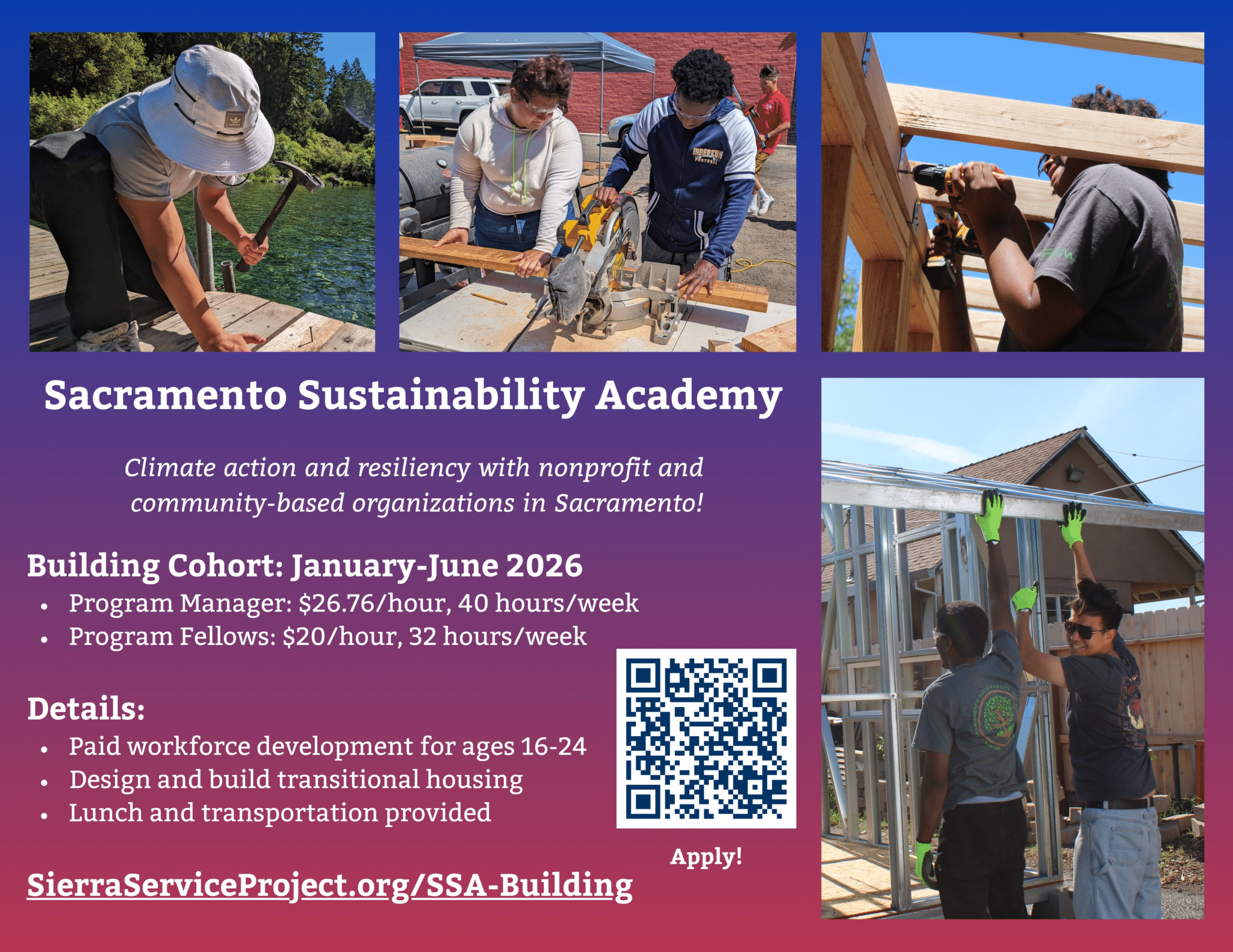
SSP is launching our newest program track, Architecture, Building, & Construction through a Building Cohort in January 2026.
Building Cohort
Architecture, Building, & Construction
January to June 2026
We are excited to announce that SSP has received funding from Sacramento Children’s Fund (Measure L) through the City of Sacramento to offer three additional SSA cohorts over the next three years!
Employment Details
Sierra Service Project is hosting three Building Cohorts focused on architecture, building, and construction, with the first cohort running January to June 2026. The following two cohorts will start in the fall and run through the spring of the following year.
These Building Cohorts will partner with WeForce of California Inc. to expand the Safe Harbor Sustainable Eco-Housing Program. The first cohort will design and build a tiny house, and the following cohorts will design and build two tiny houses each.
Summary
- Paid workforce development for ages 16-24
- Design and build transitional housing
- Lunch and transportation provided
Schedule
- This cohort will be 5 months long
- The weekly schedule is consistent Tuesday through Friday from 8 AM to 4:30 PM
- Occasional weekend hours are required for special events
Positions Available & Employment Dates
Each cohort will consist of one Program Manager and six Program Fellows.
Program Manager
-
- Job description
- Pay rate: $26.76/hour, 40 hours/week
- Benefits:
- Health insurance (including vision and dental)
- $50/month cell phone stipend
- Dates
- December 15: First day of employment
- June 30: Last day of employment
Program Fellows
-
- Job description
- Pay rate: $20/hour, 32 hours/week
- Dates
- January 13: First day of employment
- June 12: Last day of employment
Application Timeline
Applications are closed. Informational calls will begin in December, followed by a formal Zoom interview.
- December 7: Program Manager applications due (job offer made by December 12)
- December 14: Program Fellow applications due (job offers made by December 23)
Impact
SSP will employ seven young people for the Building Cohort of the Sacramento Sustainability Academy workforce development education and training program. that will build two tiny homes per program year (one during the first year) over the next three years to expand the impact and scale of the Safe Harbor Sustainable Eco Housing program. Over the entire project timeline, 21 youth will be hired, five tiny homes will be constructed, and 48 families with children will be provided transitional housing from homelessness to permanent housing. We expect this project to serve between 96 and 144 youth under 18 to transition from homelessness into stable housing.
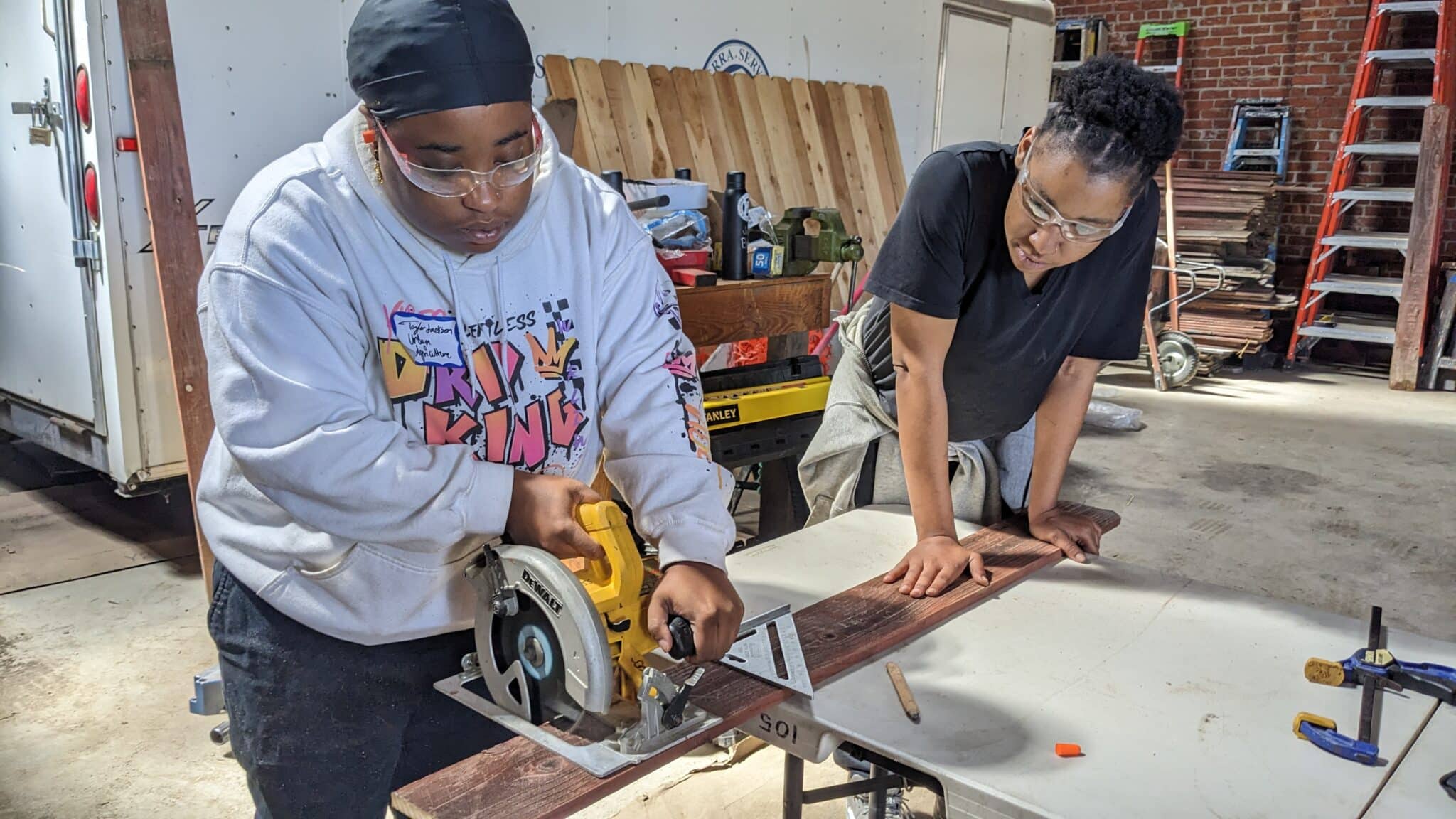
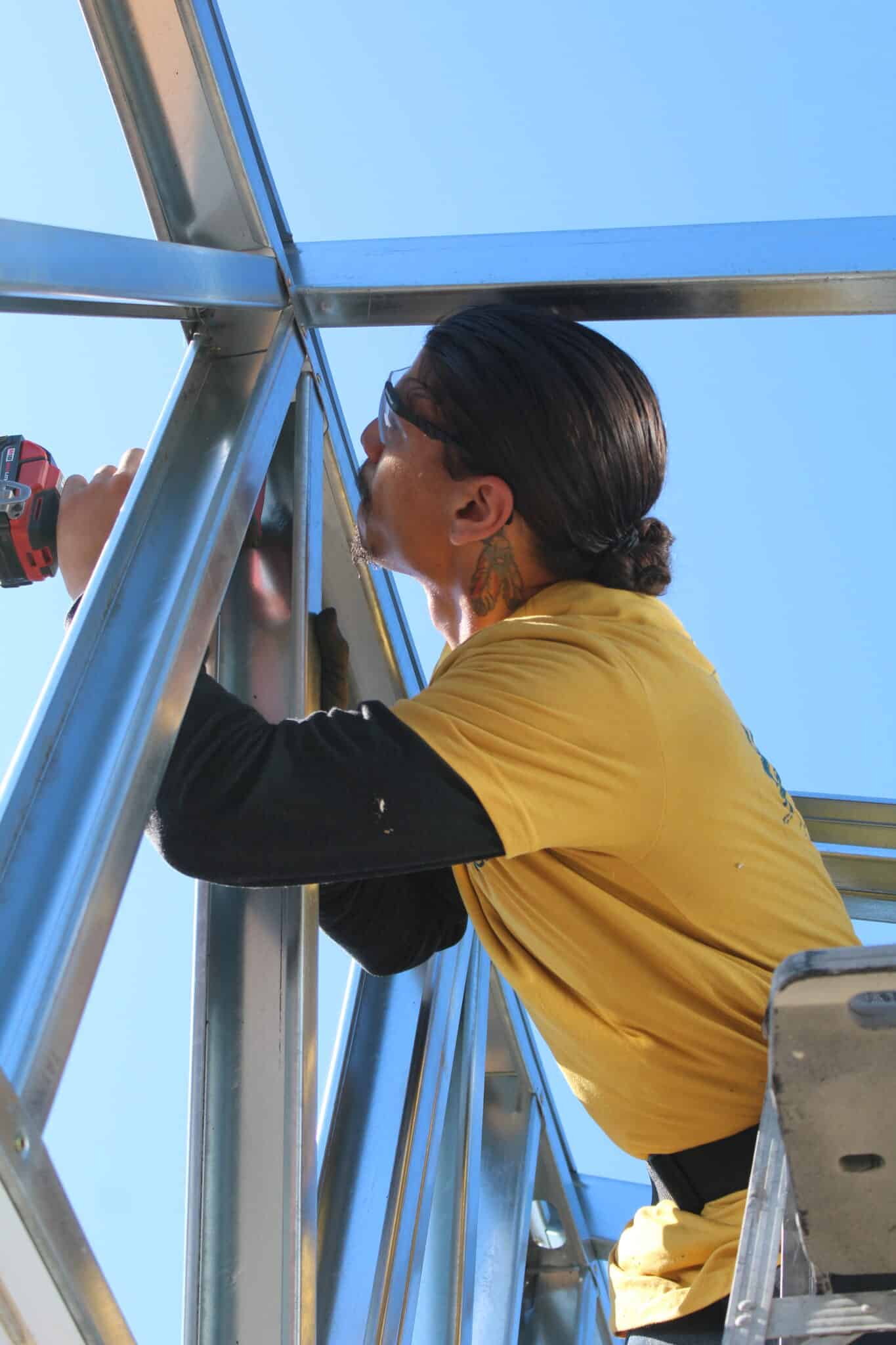
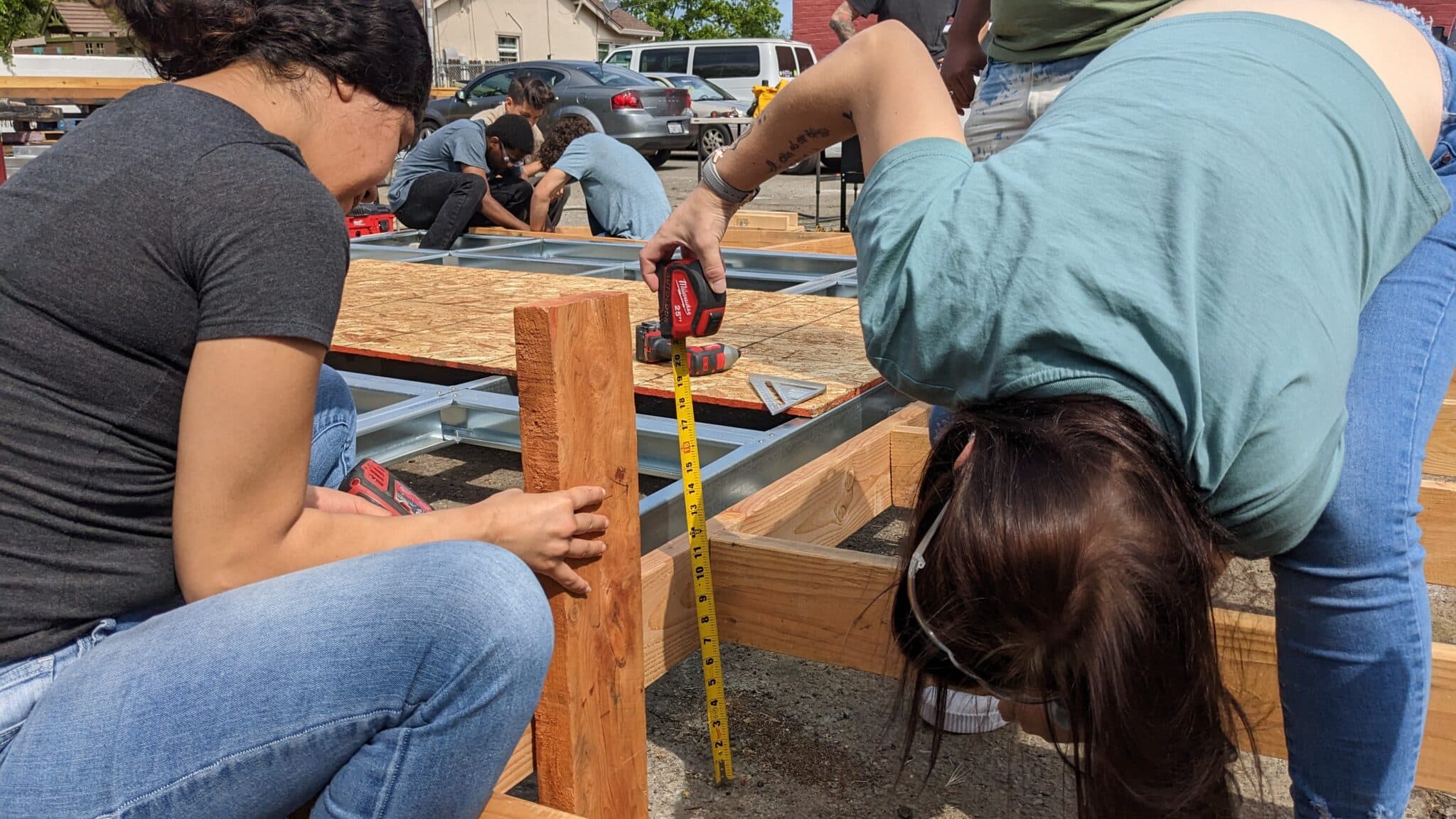
Program requirements
All program participants must:
1) Reside within Sacramento city limits
-
- Verify your address is within city boundaries before applying
- Applicants residing outside of the City of Sacramento’s limits will not be considered
2) And meet at least one of the following requirements:
-
- Reside within a Qualified Census Tract (a low-income area as designated by the Department of Housing and Urban Development);
- Reside in a low- or moderate-income household;
- Reside in a household that experienced unemployment;
- Reside in a household that experienced increased food or housing insecurity;
- Reside in a household that is receiving services from Tribal governments; or
- Reside in a household that qualifies for the following federal assistance: Temporary Assistance for Needy Families, Supplemental Nutrition Assistance Program, Free and Reduced Price School Lunch and Breakfast, Head Start, Special Supplemental Nutrition Program for Women, Infants and Children, Section 8 Vouchers, or Pell Grant.
3) Priority will be given to individuals who:
-
- Have not participated in an AmeriCorps program;
- May have difficulty finding employment;
- Are low-income;
- Are unemployed and/or out of school;
- Are or were justice-involved;
- Are in or transitioning from foster care; or
- Are engaged with the mental health or substance abuse system.
Questions? Reach out to Sacramento@SierraServiceProject.org.
Focus Areas
Architecture
Architectural training strengthens our ability to observe and understand the physical and social composition of our communities, revealing patterns, gaps, and opportunities that might otherwise go unnoticed. By learning to analyze space, infrastructure, and human behavior together, architecture empowers people to envision healthier, more resilient neighborhoods and to design the critical systems—such as housing, transportation, green spaces, and community facilities—that support collective well-being. This perspective turns community members into active planners and problem-solvers, equipped to shape environments that reflect local needs and aspirations.
Building
Building and Building Information Modeling (BIM) training equips people with the tools to visualize how structures and infrastructure interact within the broader community landscape, making it easier to identify what is missing or underperforming. By teaching learners to map utilities, transportation networks, public facilities, and housing systems in precise digital models, BIM fosters a deeper understanding of community composition and the relationships between the built environment and daily life. This skillset helps residents, planners, and emerging professionals collaboratively design and advocate for the critical infrastructure—such as safe streets, energy-efficient buildings, and resilient public spaces—that their communities need to thrive.
Construction
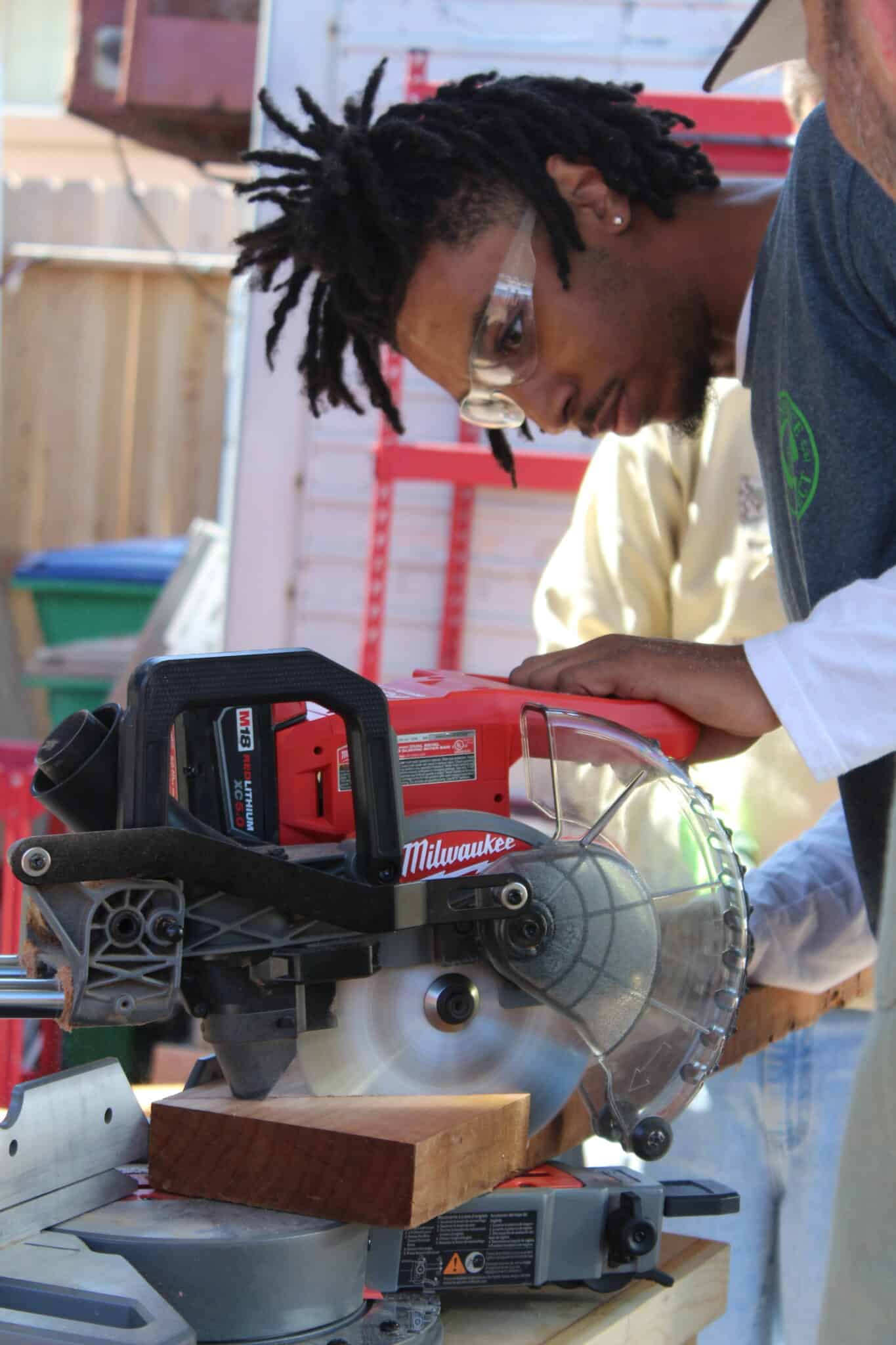
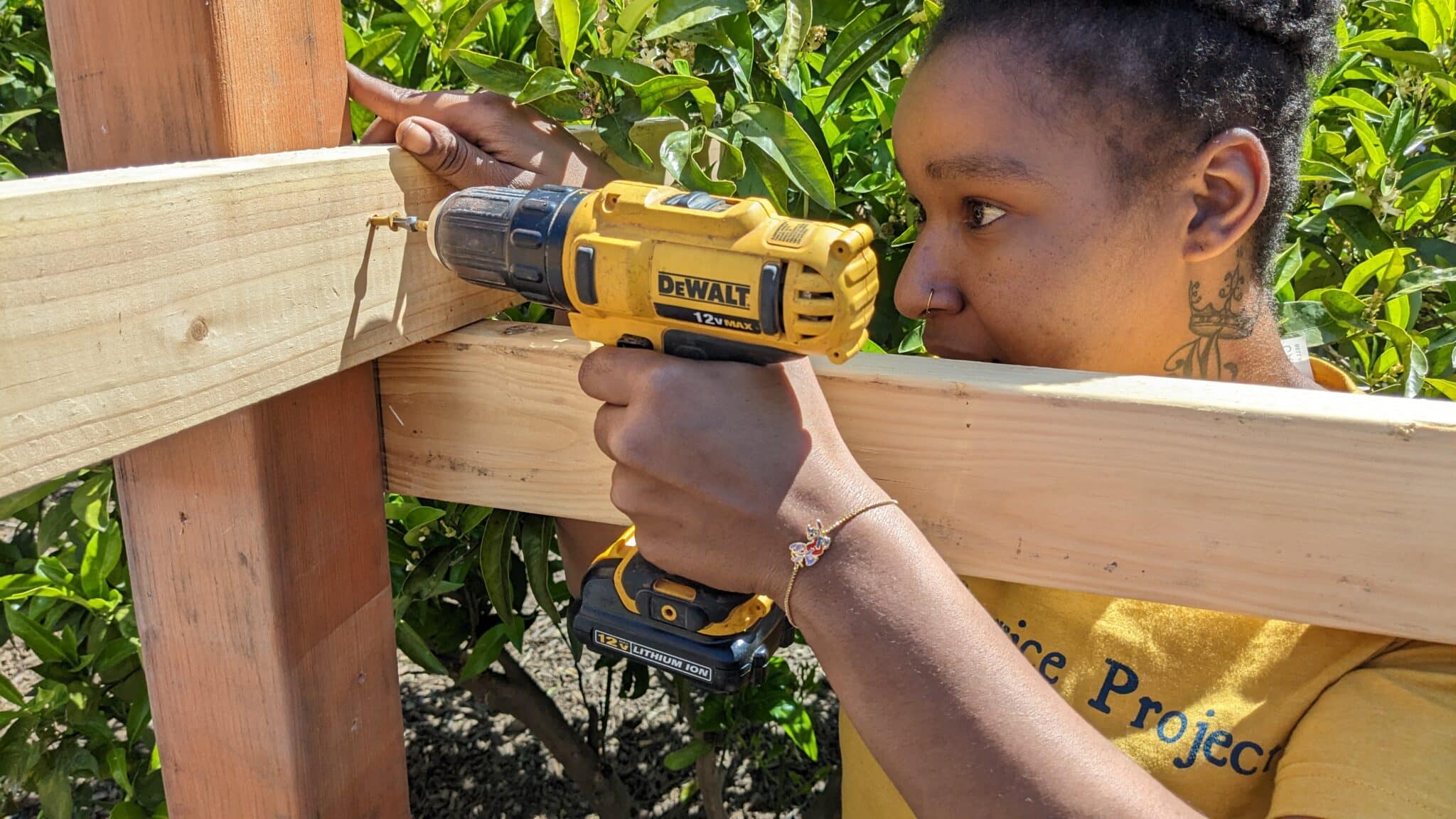
Construction and trades training empowers individuals with practical, high-demand skills that directly address the infrastructure and economic needs of low-income communities. By preparing workers to build, repair, and maintain essential structures—such as homes, community facilities, and local businesses—these programs create pathways to stable, well-paying careers while strengthening neighborhood resilience. Trades training also cultivates problem-solving, leadership, and teamwork, enabling participants to contribute to projects that improve living conditions and stimulate local economies. In turn, communities benefit from a homegrown workforce capable of driving equitable development and long-term prosperity.
Housing
Innovative approaches to housing allow communities to design solutions that are both compassionate and economically sustainable, especially when they elevate the expertise of those who have experienced homelessness firsthand. By training homeless and formerly homeless youth in construction, design, and housing development, we empower them to address challenges they understand intimately—such as safety, accessibility, and the need for stability. Their lived experience becomes a vital asset in shaping a housing market that is responsive, humane, and grounded in real community needs. This blend of technical skill and personal insight leads to more effective, culturally attuned housing strategies that strengthen neighborhoods and ensure vulnerable populations are genuinely served.